Nvidia announced a big change at the top of its company. Jensen Huang is stepping down as Chief Executive Officer after leading the chip maker for over thirty years. This surprise move marks the end of an era for the business that powers most of the world's artificial intelligence today.
The news came straight from the Nvidia newsroom this week. A new chief will take over the top job while the company works to keep its lead in the fast computer chip market. It is a massive shift for tech fans, investors, and every company that buys chips to build AI tools.
Why Jensen Huang Leaving Nvidia Is Big News
Jensen Huang helped start Nvidia back in 1993. At first, the company made graphics cards for PC video games. If you played games on a desktop computer, you likely used an Nvidia card to make the picture look crisp and smooth. Over time, he realized those same chips could process math problems very fast.
That smart move turned Nvidia into one of the most valuable tech brands on earth. Their chips now run huge data centers for tech giants across the globe. When millions of people use computer tools to generate text, write code, or create images, Nvidia hardware works behind the scenes. Seeing the founder step back from the daily top role is a huge moment for the whole industry.
The company confirmed the decision in an official news release. While detail on the exact step-by-step timeline is still developing, the shift is already official. It leaves many people asking what comes next for the hardware that runs our modern web.
How Nvidia Shapes the Tech You Use Every Day
You might not see Nvidia products on your kitchen counter like a smartphone or a tablet. Yet, their work touches almost everything you do online today. When you ask a web chatbot a question, your prompt travels to a giant room full of computer servers. Those servers rely on Nvidia chips to send an answer back in seconds.
Car makers use these chips to train self-driving cars on road safety rules. Medical researchers use them to study modern medicines and scan health images fast. Even movie makers rely on their hardware to render special effects in top films. Without these parts, the current push into smart software would slow down right away.
Other big businesses are also shifting how their workers handle new tools. For instance, you can read about how PwC Training Staff for Better Thinking in the AI Era shows how firms adapt to these tech leaps. As software changes fast, hardware companies must stay strong to supply the power.
Who Will Lead Nvidia Next?
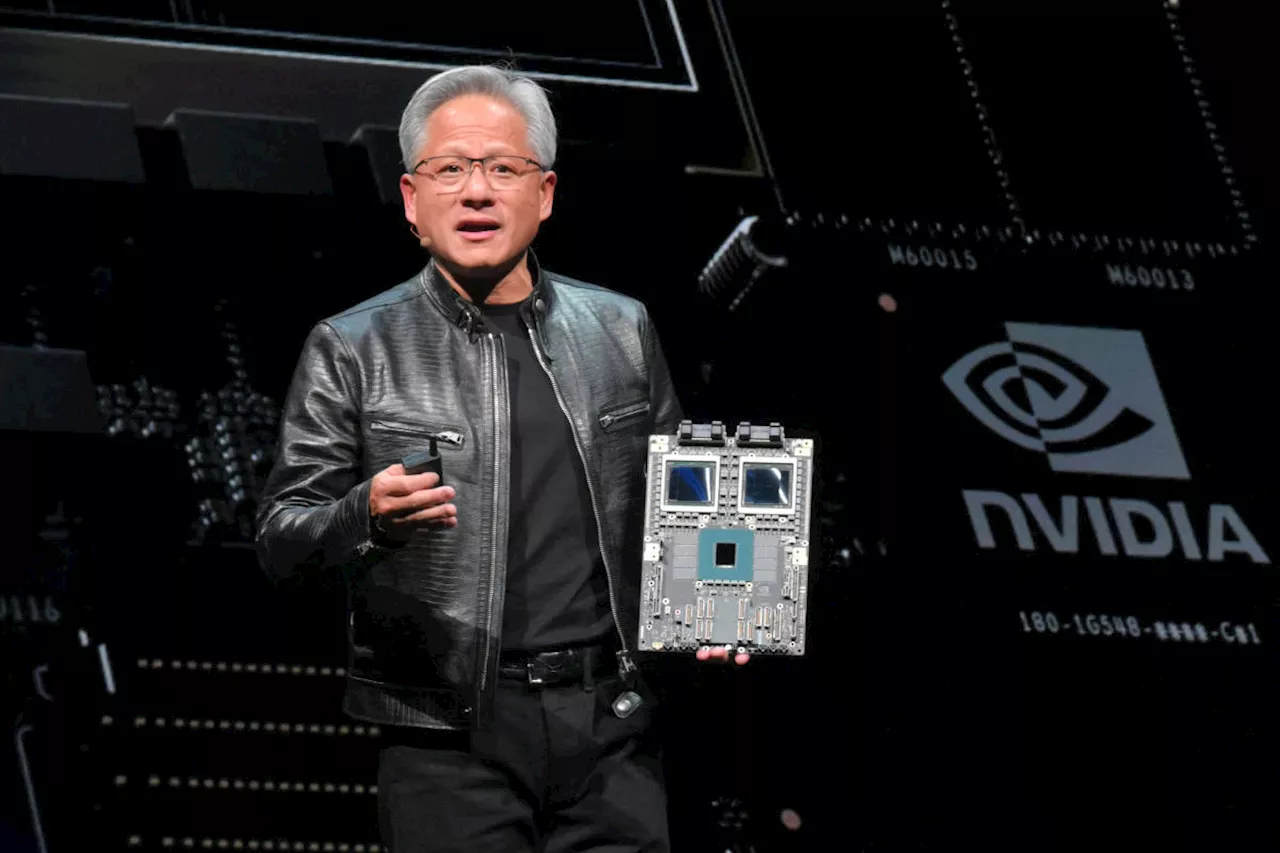
Replacing a long-time leader is never easy for a major chip company. Jensen Huang was not just a boss. He was the face of the brand, famous for his black leather jacket and long talks at tech shows. He guided the team through good times and hard times for decades.
The board of directors selected a new CEO to take the lead. The incoming chief must keep up with huge demand for computer power while competing with other big chip makers. Companies like AMD, Intel, and even cloud brands are building their own chips today. Keeping Nvidia on top will take smart plans and fast choices.
It is not yet fully clear how the daily focus will change under the new leader. Most experts expect the company to keep its focus on computer hardware, software setups, and future tech research. The transition plan aims to keep work smooth so orders ship on time to customers.
What This CEO Shift Means for the AI Market
Change at the top of a major supplier can make the market feel nervous. Nvidia holds a massive share of the high-end graphics chip market. Any change in direction could affect how fast other companies can build their smart software tools. Thousands of tech apps rely on a steady supply of these items.
If you love tech news, this moment is worth watching closely. Will the new leader push into cheap consumer parts, or double down on huge server farms? Will they build new tools for home PCs or focus only on enterprise clients? The answers will set the tone for tech news over the coming year.
Many smart businesses are looking for clean updates on these tech trends. You can check our main page for tech newsroom updates and modern software guides to keep up with developments. Seeing how leadership changes affect prices and chip supply will be key for every buyer.
Looking Back at Thirty Years of Growth
To understand why people care about this news, look at where Nvidia started. In 1993, 3D graphics on home computers were slow and blocky. Nvidia built hardware that brought rich, smooth worlds to everyday screens. Gamers loved the speed, which kept the company growing fast.
Around fifteen years ago, the team made a key software tool called CUDA. It allowed regular programmers to use graphics cards for science math, not just games. That single idea paved the way for modern deep learning. When the AI boom hit a few years ago, Nvidia had the only chips ready to handle the heavy workload.
That long history shows why a CEO exit is such a big deal. Under Jensen Huang, the firm grew from a small startup in a diner into a multi-trillion dollar giant. Leaving the top job marks the end of one of the longest CEO runs in modern tech history.
What Happens Next for Tech Fans and Investors?
In the short term, Nvidia promises that product schedules will stay on track. New chip designs set for launch this year will still arrive as planned. Factories will keep making parts, and developers will keep building software on their platform. The main goal for the leadership team right now is steady work without sudden stops.
Investors will watch the next few income calls very carefully. They want to hear the new chief explain their plan for growth and security. They also want to know if research budgets will stay high. Building modern computer chips costs billions of dollars before a single chip sells to a customer.
For everyday people, your devices will keep working just as they do now. But over time, the strategy of the new CEO will touch the price of computer parts, cloud service costs, and the speed of smart web tools. It is a major story that will shape our digital world for years ahead.
Simple Ways to Keep Up with Tech Changes Today
Tech shifts happen fast, but you do not need a degree in math to follow along. Here are three simple tips to stay ahead of big news like this:
- Follow official brand updates: Look at primary company newsrooms instead of social media rumors when big news breaks.
- Track chip trends: Watch for news on chip supply and prices if you plan to buy a new gaming PC or work laptop soon.
- Learn the basic terms: Knowing the difference between software, server hardware, and processing chips helps you make sense of daily tech headlines.
How do you think this CEO change will affect the future of computer hardware? Will Nvidia stay on top, or will rival brands catch up under new leadership?
Comments
Post a Comment